Taking care of a pet is more than just providing food and shelter. A healthy and happy pet needs proper nutrition, regular exercise and play, basic training, good hygiene, and daily care. This Complete Guide to Taking Care of Your Pet covers essential tips for food, health, play, training, and everyday care to help your pet live a happy, healthy, and active life.
Healthy Food and Nutrition for Dogs

A healthy and balanced diet helps keep your dog active, energetic, and strong. Protein-rich foods like fish, chicken, mutton, and boiled eggs support muscle growth and strength. Omega-3 and Omega-6 fatty acids support healthy skin and coat, while calcium and phosphorus help maintain strong bones and teeth.
Vitamins, minerals, carbohydrates, and suitable grains provide essential nutrients and energy. Vegetables like carrots, peas, and cauliflower add vitamins and fiber, which support healthy digestion. Commercial dry kibble can also be a convenient choice when it is complete and balanced for your dog’s needs.
Plain cooked chicken, boiled egg, and low-calorie treats can be given in suitable portions. With nutritious food, proper portions, fresh water, and regular meal timings, your dog can stay healthy, active, and energetic.
Dog Health and Care
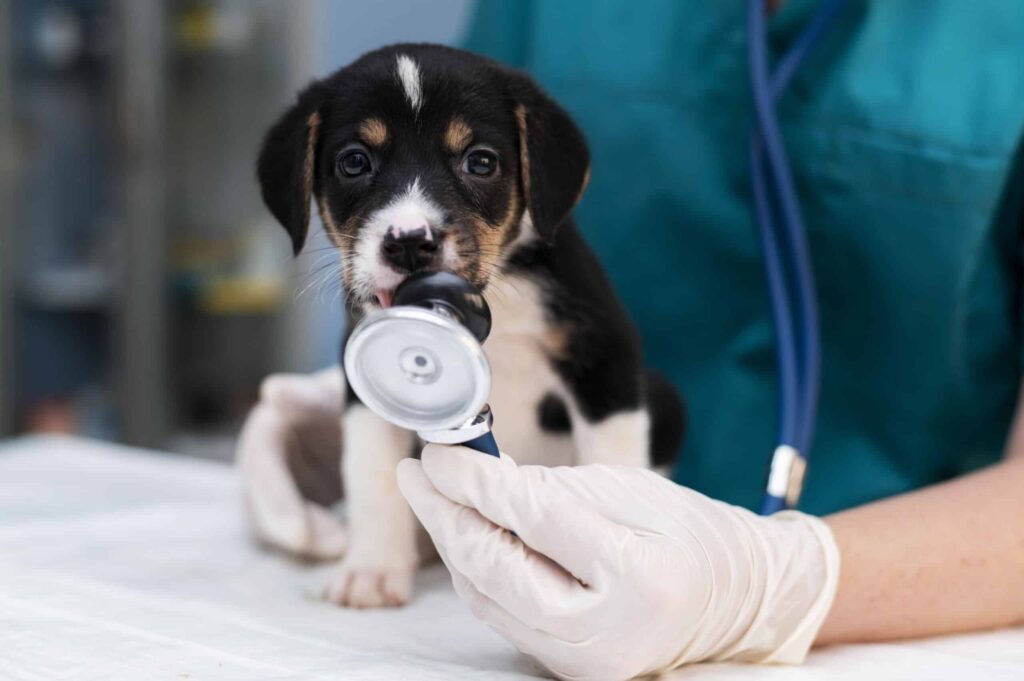
Keeping your dog healthy starts with a balanced diet and healthy weight. Limit high-calorie foods, avoid overfeeding, and pay attention to obesity to help maintain a healthy body weight. Regular daily walks and suitable exercise can support healthy joints, heart health, and overall fitness. Dental hygiene is also important. Brush your dog’s teeth and gums regularly and watch for signs of gum disease. Regular grooming helps you check the skin and coat for lumps, cuts, or parasites and keeps the coat clean and healthy. Keep harmful foods such as chocolate and grapes away from your dog to prevent poisoning. Senior dogs need extra attention as they age. Regular veterinary check-ups, ideally at least once a year, can help monitor their health and detect diseases early. Also watch for urgent signs such as repeated vomiting, difficulty breathing, unusual tiredness, or signs of pain or sudden behavior changes, and seek veterinary care promptly when they occur.
Dog Play & Exercise

Regular play keeps dogs active, healthy, strong, and stress-free. It provides physical and mental stimulation while encouraging positive behaviour. Fun Activities: Ball and toy games ,Fetch and chasing, Walking and running ,Sniffing and targeting games, Jumping and movement activities, Short play sessions with other dogs, Give dogs small breaks to sniff and reset during play. Watch for stiff body language, rough starts, constant chasing, or one dog repeatedly pinning another. Choose activities based on the dog’s age, size, energy, and ability for safe and enjoyable play.
Dog Training
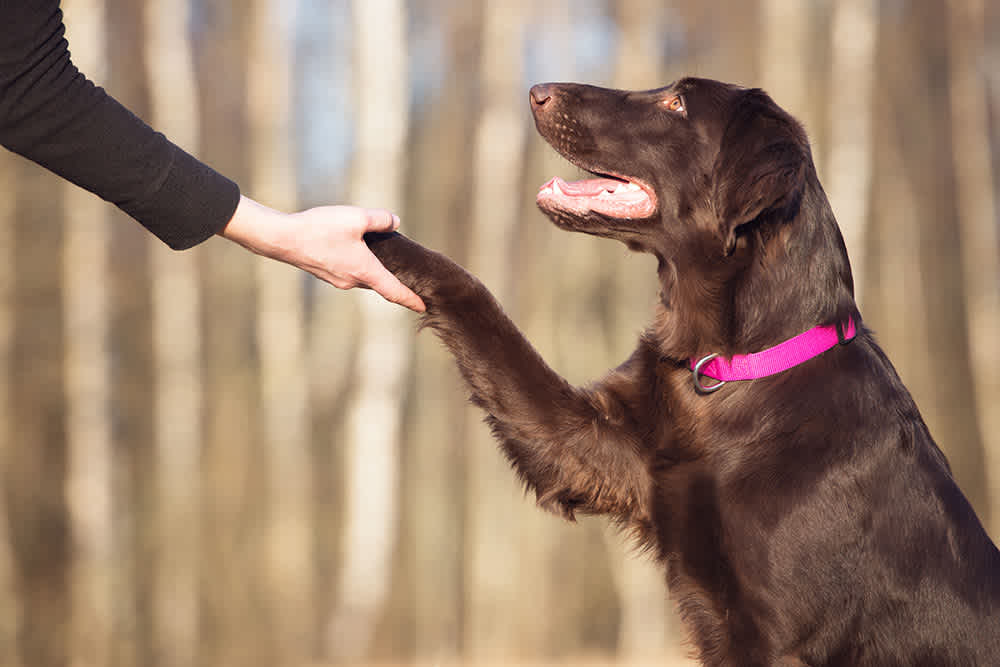
Dog Training
In this pet care guide, proper training helps your dog learn positive behaviours and respond confidently to basic commands.
Positive Reinforcement: Rewards good behaviour to encourage repetition, building trust and a stronger bond.
Balanced Training: Combines rewards with clear boundaries and gentle corrections for unwanted behaviour.
Traditional Training: Relies on physical corrections, loud noises, or dominance. Modern behaviour experts generally prefer positive, reward-based methods.
Basic Commands
Recall: Teaches your dog to come immediately when called.
Sit & Stay: Builds obedience, movement control, and impulse control.
Heel: Teaches your dog to walk calmly beside you, on or off the leash.
Best Practice for Success
Keep It Positive: Keep training sessions short, consistent, and fun, and always end with praise or a reward.